The Grammy Awards have long held a unique place in American culture, serving as both a celebration and a barometer. This year, at the 68th Grammy Awards, the barometer was impossible to ignore.
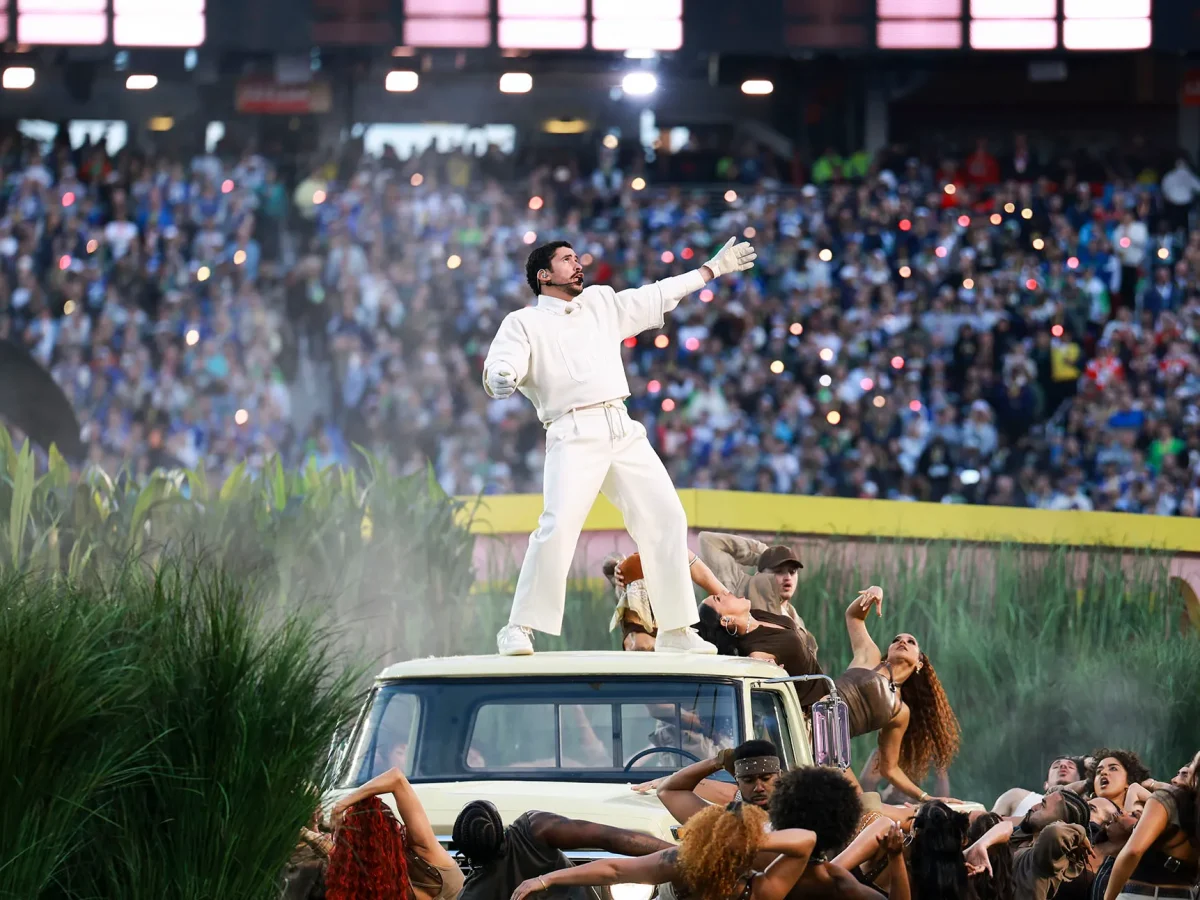
The ceremony’s stage became, for many artists, something more striking than simply a platform for gratitude. In speech after speech, many winners called for action, targeted specifically against the crackdown by ICE, and they were far from alone. Throughout the arena, pinned to luxury gowns and pressed suit jackets, were small white buttons stamped with the same simple words: “ICE Out.” The pins, distributed by immigrant advocacy groups, had become a way for artists who never reached the microphone to make their opposition known. “ICE out. We’re not savages, we’re not animals, we’re not aliens,” Bad Bunny, whose legal name is Benito Antonio Martínez Ocasio, told the audience. “We are humans, and we are Americans.” He later accepted Album of the Year, making history as he became the first Spanish-language Album of the Year winner. He used his moment to extend his message, saying he wants to “dedicate this award to all the people who had to leave their homeland to follow their dreams.”
The speeches arrived at a fraught moment for the country. ICE enforcement operations had increased dramatically in recent weeks, leading to violence that generated fear and widespread protest. For the young, diverse generation tuning in to watch the awards ceremony on that Sunday evening, the Grammys appeared less like a celebration than a call for action.
Billie Eilish, who won Song of the Year alongside her brother Finneas, went further than most. “No one is illegal on stolen land,” she told the arena, a statement that drew both a standing ovation from the attendees and almost immediate backlash online, as critics pointed out her hypocrisy, as her LA home sits on the ancestral territory of the Tongva people.
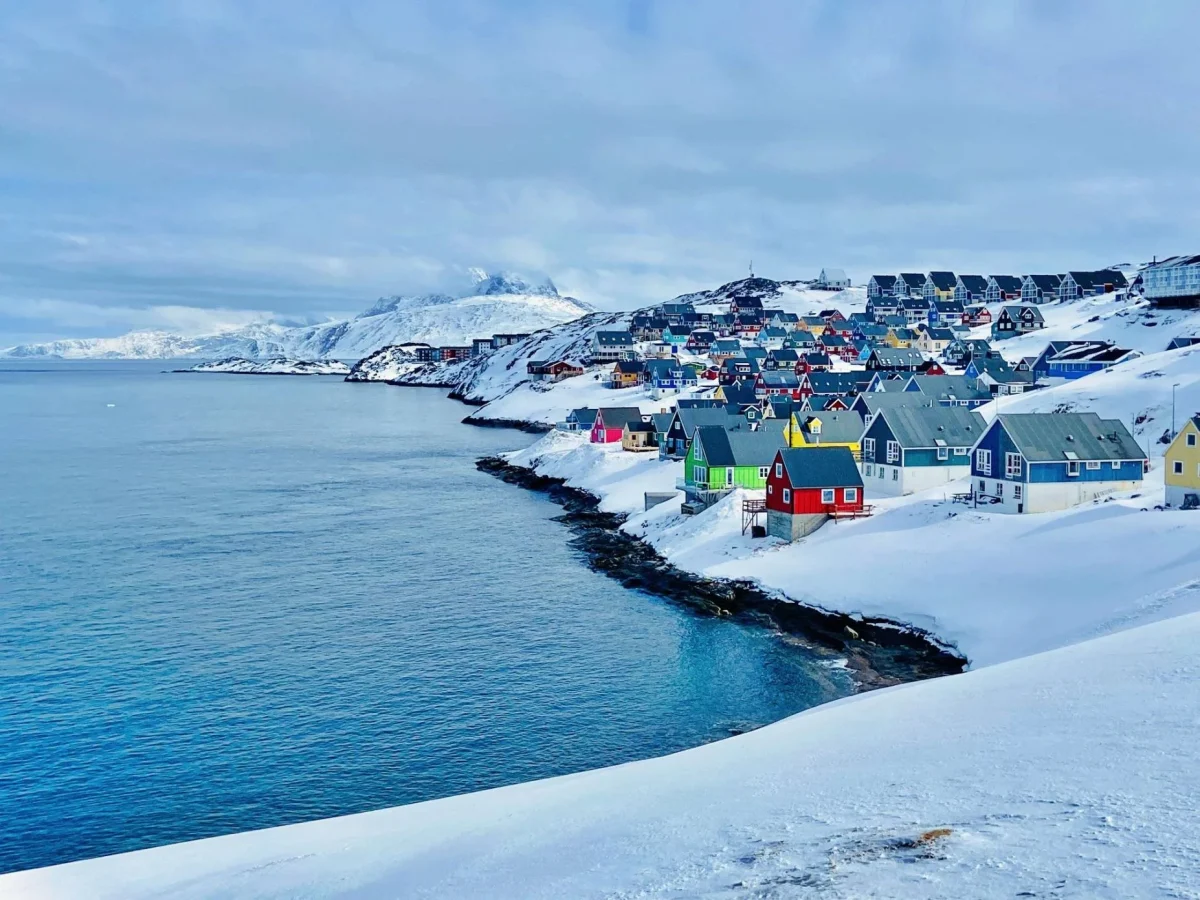
The ceremony’s host, Trevor Noah, set the political temperature early. His opening speech included jokes about the Trump administration’s 16 billion dollar lawsuit against CBS, a dig at the president’s interest in acquiring Greenland, and an allusion to Epstein that prompted a Truth Social response within hours of the broadcast from the president himself. Trump referred to Noah as a “total loser,” and (still) denied ever visiting the island.
Not everybody celebrated the speeches. Ricky Gervais reposted a clip from his 2020 Golden Globes monologue, in which he implored celebrities not to use award shows as political platforms, accompanied by the observation “They’re still not listening.”
The debate over celebrities and politics is a familiar one, but the breadth and impact of the statements suggested something beyond individual impulse. This was the industry exhaling after months of tension, using the one microphone it still reliably controls. While many argue that figures in the public light have a moral duty to use their reach to advocate for change and spread their cause, others strongly disagree. Celebrities exist in an esoteric world of wealth and fame that is often almost entirely disconnected from the material conditions of the people they claim to speak for. Billie Eilish’s “stolen land” moment from the ceremony is a decent example, a well-intentioned line that, within hours, had become a target for ridicule rather than a rallying point.
However, the immigration crackdown likely hits closer to home for certain celebrities than other issues. Olivia Dean, the 26-year-old British singer-songwriter who took home Best New Artist for her breakout album, offered perhaps the evening’s most personal statement. Born to an English father and a Jamaican-Guyanese mother, Dean wiped away tears before telling the arena, “I’m up here as a granddaughter of an immigrant. I’m a product of bravery, and I think those people deserve to be celebrated.” She did not name ICE directly, nor did she need to.
By the time the lights came up and the last speech was made, it was clear that the 68th Annual Grammy Awards had made history with not just its celebration of music and its showcase of talent, but its rich political commentary.