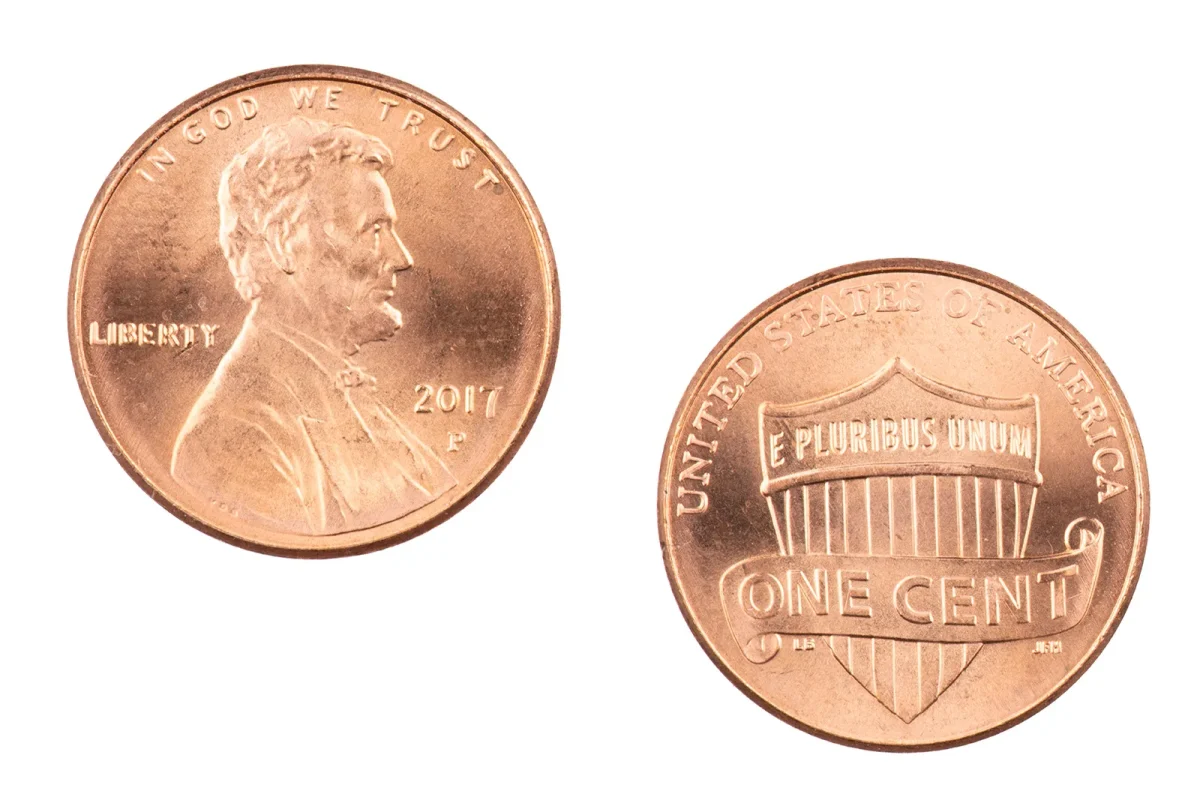
After more than 230 years of circulation, the U.S. Mint officially struck its final regular one-cent coin on November 12, 2025. The decision to end penny production reflects not just nostalgia for a bygone era of small change, but deep economic realities — and shifting consumer behavior.
So, why is the penny being retired?
It costs more to make a penny than it is actually worth. In 2024, the U.S. Mint reported that producing and distributing a single penny costs 3.69 cents, nearly four times its face value. Over the same period, the Treasury recorded a seigniorage loss — essentially negative profit minting — of $85.3 million. Stopping penny production is expected to save the government roughly $56 million annually, largely in material and operational costs.
At the same time, cash is becoming less central to everyday life. As more Americans pay with cards, mobile wallets, or peer-to-peer platforms, the demand for low-value physical coins has declined sharply. By ending the production of the penny, the U.S. Treasury captures a relatively modest but tangible saving each year. Given declining demand for coins and the high per-unit cost, the move makes financial sense from a government-budgeting perspective. One consequence of eliminating the penny is that cash transactions will likely be rounded to the nearest nickel. According to a Federal Reserve Bank of Richmond analysis, this rounding could cost consumers around $6 million per year, a figure drawn from data on how people pay and what they buy. To understand how rounding works: if a cash total ends in 1 or 2 cents, it might be rounded down; if it ends in 3 or 4 cents, it might be rounded up. Though the amount sounds small overall, the burden could be felt more by cash-dependent consumers, particularly those who prefer or need to pay in cash. The penny’s retirement also raises questions about the nickel, which is already costly to produce. According to the Mint, making a five-cent coin in 2024 cost 13.78 cents. If demand for nickels increases significantly, those production losses could eat away at the savings realized from ending the penny.
Some economists worry that without border coin reform, the gains from eliminating the penny could be partially offset by escalating costs elsewhere. Thus, the discontinuation of the US penny is more than the end of a small coin; it’s a symbol of evolving economics. Rising production costs, declining use of cash, and the burden on taxpayers have all converged to make the penny economically untenable. While there is a modest cost to consumers because of funding, the government’s savings appear to outweigh that burden. Over the long term, this move could prompt broader reforms in the US coin system. And though some may lament the penny’s exit, its retirement reflects a pragmatic adaptation to a changing financial landscape.